Roofing Mistakes to Avoid When Renovating a Heritage Home
Renovating a heritage home in Rockingham means balancing weather protection with the details that give the building its character. Roof shape, materials, chimneys and gutters can all contribute to its heritage significance. Along Perth’s coast, salt exposure, strong winds and winter rain also influence roofing decisions. Avoiding the following mistakes helps protect both your home and your renovation budget.
Starting Work Without Checking Heritage Requirements
Do not assume that replacing a roof is automatically exempt from approval. Requirements depend on the property’s heritage status, the proposed work and applicable planning controls. Inclusion in a local heritage survey does not necessarily carry the same requirements as inclusion on a heritage list or the State Register of Heritage Places.
Contact the City of Rockingham before ordering materials or removing roofing. Ask whether development approval, a building permit or heritage advice is required. For a State-registered property, confirm the applicable state heritage approval or referral process. Obtain written confirmation rather than relying on general advice about ordinary roof replacements.
Replacing Original Roofing Before Assessing Repair Options
A leaking roof does not always need complete replacement. Localised corrosion, cracked tiles, failed flashings or blocked drainage may be responsible. Unnecessary stripping can remove significant fabric and damage materials that remain serviceable.
Arrange an inspection by a roofer familiar with older buildings. Request photographs and a written assessment distinguishing repairable areas from components needing replacement. Where heritage significance is high, involve a heritage architect or consultant before deciding on extensive work.
Choosing Materials on Appearance Alone
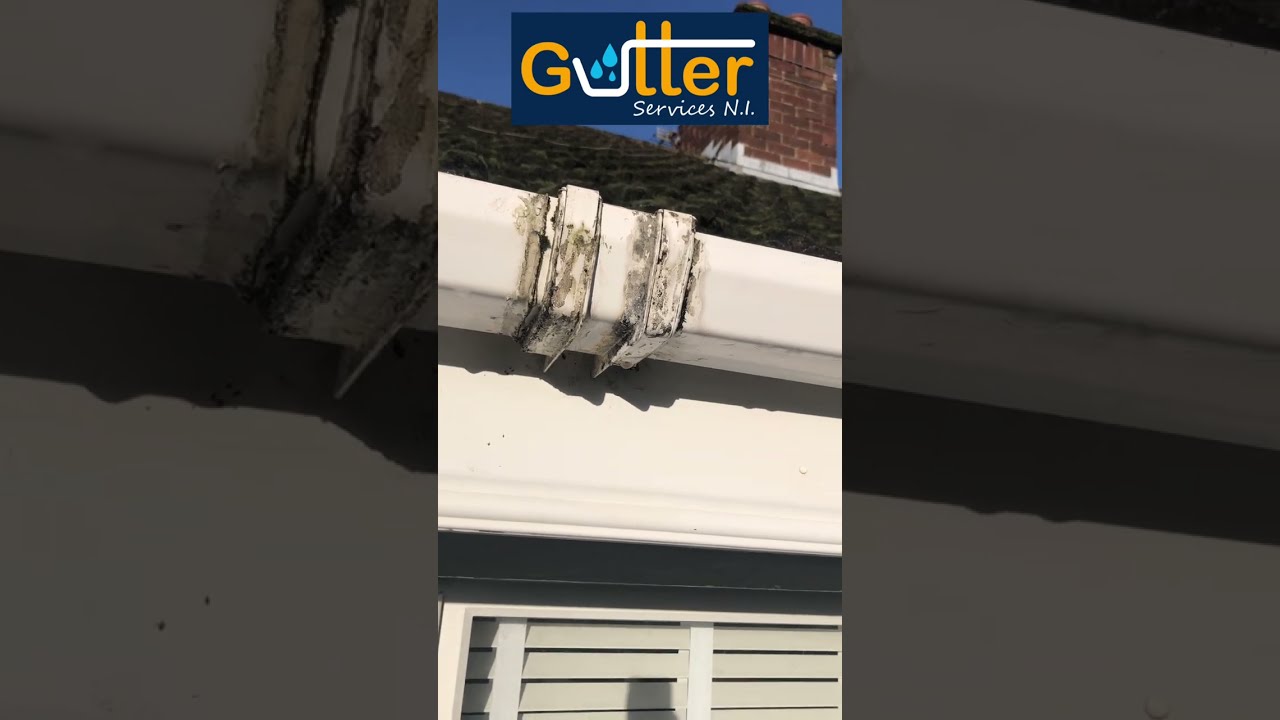
A similar colour does not make a replacement material suitable. Roof profile, sheet dimensions, tile shape, https://trentonvbjs998.northvaledigest.com/posts/how-to-identify-early-rust-on-coastal-metal-roofs-in-wa finish and detailing all affect the appearance of an older home. Changing from lightweight metal roofing to heavier tiles can also introduce structural loads the existing framing is not designed to carry.
Use surviving materials, historical photographs and heritage advice to guide selection. Confirm structural suitability before changing roof type. Keep changes to ridge heights, roof pitch, eaves and prominent decorative features to a minimum unless approved.

Ignoring Rockingham’s Coastal Exposure
Properties near the coast need roofing products appropriate to their actual exposure conditions. Check the manufacturer’s coastal-use guidance and warranty exclusions for the property’s distance from breaking surf or sheltered marine waters.
Specify compatible sheets, flashings, gutters and fasteners. Dissimilar metals, or runoff from incompatible materials, can accelerate corrosion. Do not assume a premium coating compensates for unsuitable fixings or poor detailing.
Covering Up Structural Problems
New roofing does not fix deteriorated rafters, damaged battens, termite activity or inadequate connections. Removing the covering provides an opportunity to inspect accessible framing, but significant structural concerns should be assessed before work proceeds.
Ask the contractor to document defects and explain any proposed strengthening. Where necessary, obtain engineering advice on framing capacity, wind resistance and connections. Avoid removing or altering older roof members simply to make installation easier.
Neglecting Flashings, Gutters and Drainage
Water often enters around chimneys, valleys, penetrations and roof junctions rather than through the main roof covering. Replacing sheets or tiles while retaining defective flashings can leave the original leak unresolved.
Have the roofer assess gutter capacity, falls, downpipe locations and overflow arrangements against applicable requirements. Preserve significant gutter profiles where practical, but ensure the drainage design manages water safely. Sealant should not substitute for correctly formed and installed flashings.
Adding Insulation Without Considering Moisture
Improving thermal comfort is worthwhile, but insulation, roof underlay and ventilation need to work together. Poorly planned upgrades can contribute to condensation or conceal moisture problems.
Ask how the proposed roof assembly manages moisture and meets applicable building requirements. Keep insulation clear of electrical equipment where required, and use a licensed electrician to assess older wiring when roof-space work exposes potential hazards.
Overlooking Asbestos Before Disturbing Materials
Some older homes contain asbestos-cement roof sheets, eaves or later additions. Appearance alone cannot reliably confirm whether a material contains asbestos.
Do not drill, cut, sand or pressure-clean suspected asbestos materials. Arrange appropriate identification and, where necessary, laboratory testing before disturbance. Engage a suitably licensed asbestos removalist where required and follow current Western Australian removal and disposal requirements.
Choosing a Contractor Without Heritage Experience
The cheapest quote may omit careful salvage, matching details, temporary weather protection or concealed-defect allowances. Compare the scope of work rather than the total price alone.

- Request examples of comparable heritage roofing work and relevant references.
- Confirm insurance and any registration or licensing required for the work.
- Specify materials, profiles, finishes, flashings and fasteners in writing.
- Agree on protection for ceilings, gardens and retained heritage features.
- Document how unexpected defects and variations will be approved.
A successful heritage roof renovation protects the building without unnecessarily changing its character. For a Rockingham home, the strongest starting point is a thorough inspection, early approval checks and a roofing specification suited to both the original building and its coastal environment.
Rockingham Roof Restoration
Unit 7, 8 Livingstone Rd, Rockingham WA 6168
(08) 9515 3009